

Community services
The Municipal Systems Act gives community members rights to make representations and complaints, receive responses, obtain information about municipal affairs, and participate in municipal decision-making. It also specifically requires mechanisms for querying municipal accounts and metered consumption.

-
Help residents check electricity, water, sewerage, refuse, property rates, estimated readings, incorrect tariffs and unexplained adjustments.
-
Allow residents to submit meter photographs/readings and build a history that can be compared against municipal billing. This can become particularly valuable evidence when an account is disputed.
-
Help owners understand municipal valuations, supplementary valuations, rates categories and the objection/appeal process.
-
A structured reporting system for water leaks, sewage, potholes, streetlights, refuse, electricity infrastructure and other failures. Instead of isolated complaints, your organisation can identify recurring problems affecting an entire suburb.
-
Item descriptionShow residents, for example: 37 water complaints submitted → 11 resolved → 26 outstanding → average outstanding 42 days. This converts individual complaints into measurable evidence of municipal performance.
-
Keep photographs, videos, municipal reference numbers, correspondence, meter readings, bills and timelines. When escalation becomes necessary, the evidence is already organised.
-
Guide residents through the appropriate escalation route when ordinary municipal channels fail, including relevant municipal departments, the Municipal Manager, council structures and other appropriate oversight or legal channels depending on the issue.
-
Review budgets, annual reports, Auditor-General findings, service-delivery targets and municipal expenditure, then explain these to residents in plain language. Municipal Public Accounts Committees are specifically intended to scrutinise matters including annual reports, Auditor-General findings and irregular or wasteful expenditure.
-
Notify residents when the municipality's IDP, budget, tariffs, policies or by-laws are open for public comment and provide a simple facility for residents to make submissions. Community participation is expressly part of South Africa's municipal framework.
-
Where 50 residents experience the same problem, don't treat it as 50 unrelated complaints. Compile the evidence into one structured community submission showing the scale, history, affected properties and previous municipal responses.
-
Provide easy-to-understand guides explaining residents' rights, municipal processes, credit control, disconnections, billing disputes, rates, valuations, by-laws and escalation procedures. This should be presented as general information unless individual legal advice is being provided by an appropriately qualified professional.
-
Coordinate initiatives such as clean-ups, pothole reporting/mapping, park rehabilitation, tree planting, illegal dumping identification and neighbourhood beautification. Care should be taken not to assume municipal functions or interfere with municipal infrastructure without appropriate authorisation.
Community Impact Unleashed
We attack local challenges with precision and speed, turning obstacles into opportunities for growth. Our community mobilizes resources, talent, and relentless energy to deliver measurable results.
No red tape. No excuses. We engage, execute, and elevate every project—leaving our neighborhood stronger, safer, and ready to thrive.

-
When municipal services fail, the community is forced to become resourceful and self-reliant. Residents step in to repair damaged roads, restore streetlights, repair and upgrade electrical distribution points (DPs), and install speed humps where dangerous driving threatens families and pedestrians.
To combat rising crime, the community also invests in camera surveillance, monitoring systems and controlled-access measures, creating additional layers of protection for residents and their properties.
These are responsibilities residents should never have been forced to carry alone. Yet through community funding, expertise and teamwork, we are taking practical action to protect our infrastructure, our streets and, most importantly, our community.
-
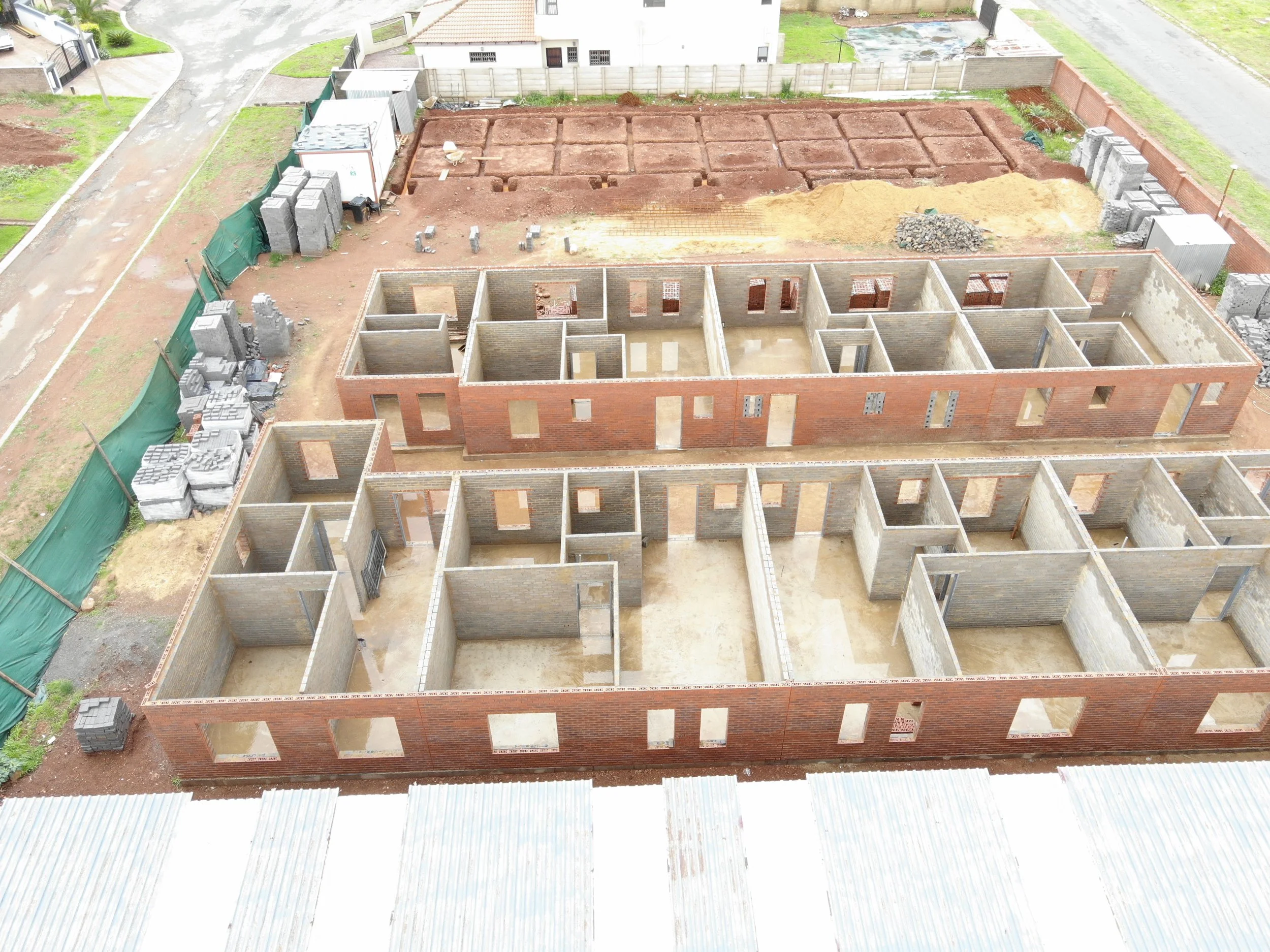
SE3 NPC has taken decisive action by approaching the High Court to challenge the development, following serious concerns about its zoning, approval and stated purpose. The developer’s subsequent sworn statements appear to contradict the basis on which the development was originally presented and financed.
SE3 NPC is standing up through lawful action to protect our suburb and hold those involved accountable.
-
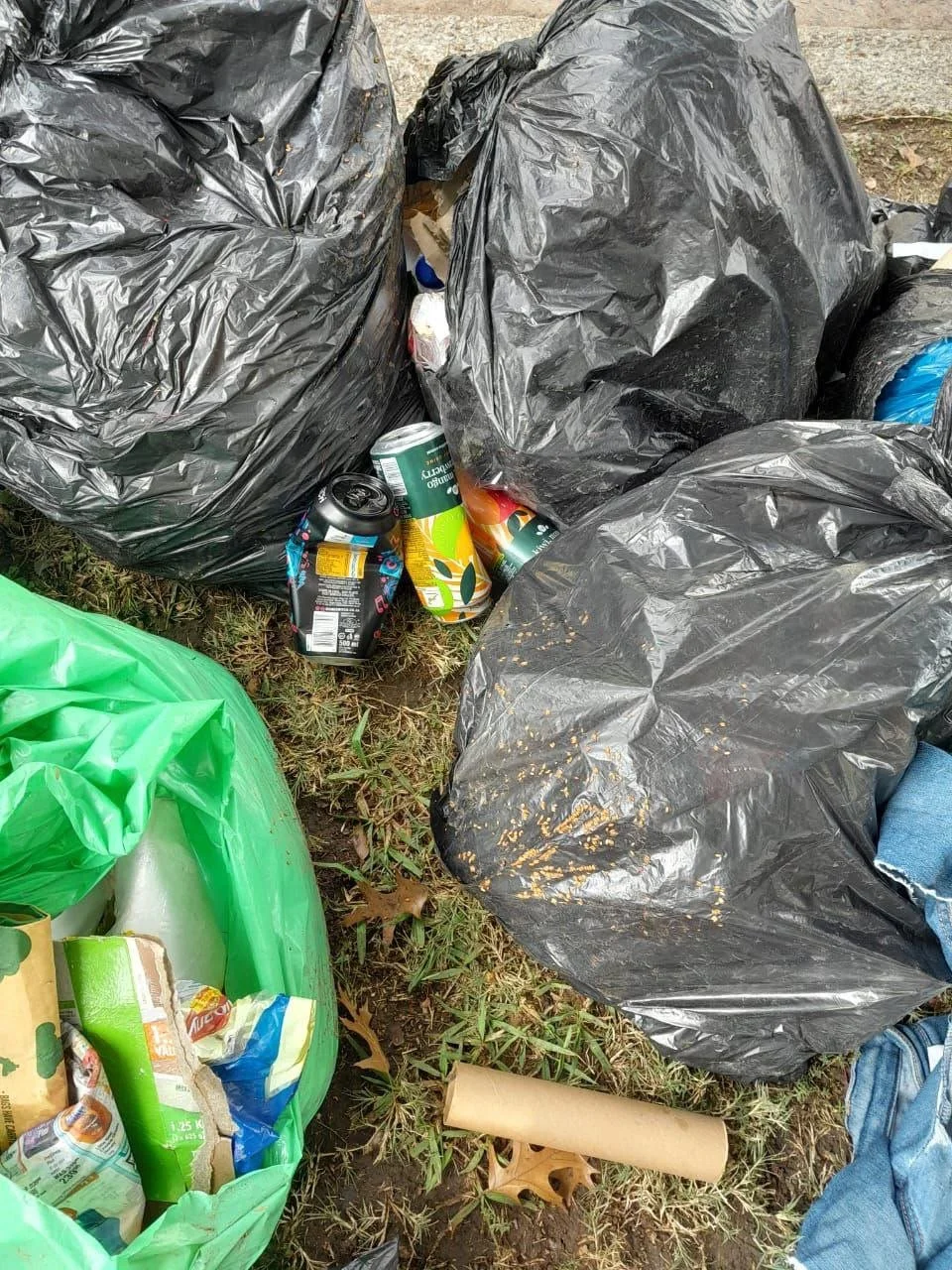
When municipal refuse services fail and rubbish is left on our streets for weeks or even months, the community is forced to fend for itself. Through Project Refuse Takeover, residents step in, mobilising private crews and community resources to remove accumulated waste, clean our streets and restore dignity to our neighbourhood.
When the municipality fails to collect, our community refuses to live amongst the rubbish.
Ready to Transform Your suburb?
Fill out the form—let’s crush barriers and build better spaces together.